


AEQUIPA
Physical activity is a key contributor to healthy ageing. In spite of the widely known beneficial effects, only a small proportion of older adults are physically active. AEQUIPA is a regional prevention research network comprising six universities, two research institutes and the health economy organisation of the Bremen-Oldenburg metropolitan region. The network's core themes are promoting physical activity among older adults (65+).
AEQUIPA Vorstellung
Gesundes Quartier
Zukunftsvision
AEQUIPA Hajo Zeeb
Tilman Brand zu AEQUIPA/RTC
Sonia Lippke zu AEQUIPA/PROMOTE
Jochen Meyer zu AEQUIPA/TECHNOLOGY
Fit im Nordwesten - Strategien für mehr Bewegung im Alltag von Älteren
Aktive Mobilität im Alter fördern - Ein Aktionswochenende im Reallabor Ritterhude
News
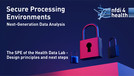
NFDI4Health Webinar: The SPE of the Health Data Lab - Design principles and next steps
- Created by Dr. Teresa Alberts
- Research Data Infrastructures and Data ScienceResearch dataEvent
The webinar series on Secure Processing Environments (SPEs) examines the future of secure data analysis in health research. NFDI4Health invites you to the fifth session.
Participants will gain a comprehensive understanding of SPEs, including their role in enabling safe and efficient use of sensitive health data and supporting FAIR principles. Perspectives from three key stakeholder groups — data users, data holders, and technology providers — are shown to offer insights into their roles, challenges, and priorities. Real-world case studies, practical guidance, and interactive discussions provide insights into the effective implementation and use of SPEs and can initiate a community building process. The fifth event in the series will take place on 16 September 2026 at 4.00 pm:
The SPE of the Health Data Lab - Design principles and next steps
How can sensitive health data be made available for research while maintaining the highest standards of data protection? This session introduces the design principles of the Secure Processing Environment (SPE) developed within the Health Data Lab (HDL). A key feature of the SPE is the separation between an integrated research environment and an isolated environment containing claims data of 90% of the German population. Researchers can work flexibly with synthetic data in the integrated environment, while access to real data remains restricted to authorized HDL personnel. This architecture follows a privacy-by-design approach that combines strong safeguards with practical research workflows.
Following a brief introduction, the session continues as a moderated podcast-style discussion structured around the Five Safes framework, exploring how the SPE supports secure, trustworthy, and efficient health data research.
Date & Time: 16 September 2026 | 16:00 - 17:00
Lecturer: Steffen He? | HDL BfArM & Katharina Schneider | DACO BfArM
Format: online via zoom
Registration: [here]
Events
NFDI4Health Webinar: The SPE of the Health Data Lab - Design principles and next steps
- Created by Dr. Teresa Alberts
- Research Data Infrastructures and Data ScienceResearch dataEvent
The webinar series on Secure Processing Environments (SPEs) examines the future of secure data analysis in health research. NFDI4Health invites you to the fifth session.
Participants will gain a comprehensive understanding of SPEs, including their role in enabling safe and efficient use of sensitive health data and supporting FAIR principles. Perspectives from three key stakeholder groups — data users, data holders, and technology providers — are shown to offer insights into their roles, challenges, and priorities. Real-world case studies, practical guidance, and interactive discussions provide insights into the effective implementation and use of SPEs and can initiate a community building process. The fifth event in the series will take place on 16 September 2026 at 4.00 pm:
The SPE of the Health Data Lab - Design principles and next steps
How can sensitive health data be made available for research while maintaining the highest standards of data protection? This session introduces the design principles of the Secure Processing Environment (SPE) developed within the Health Data Lab (HDL). A key feature of the SPE is the separation between an integrated research environment and an isolated environment containing claims data of 90% of the German population. Researchers can work flexibly with synthetic data in the integrated environment, while access to real data remains restricted to authorized HDL personnel. This architecture follows a privacy-by-design approach that combines strong safeguards with practical research workflows.
Following a brief introduction, the session continues as a moderated podcast-style discussion structured around the Five Safes framework, exploring how the SPE supports secure, trustworthy, and efficient health data research.
Date & Time: 16 September 2026 | 16:00 - 17:00
Lecturer: Steffen He? | HDL BfArM & Katharina Schneider | DACO BfArM
Format: online via zoom
Registration: [here]